Posted on

The benefits and drawbacks of different mushroom cultivation methods

Introduction

Mushroom cultivation is an increasingly popular hobby and business venture. Not only are mushrooms delicious and nutritious, but they also offer a range of health benefits. However, the cultivation of mushrooms can be a complex process, and there are a number of different methods that growers can use. In this blog post, we’ll be exploring the benefits and drawbacks of different mushroom cultivation methods to help you decide which method is best for your needs.

Indoor Cultivation

Indoor Mushroom Cultivation Components.

Indoor cultivation is a popular method for growing mushrooms, especially for those who live in urban areas or have limited space. Indoor cultivation involves growing mushrooms in a controlled environment, such as a greenhouse, basement, or closet.

Benefits

One of the main benefits of indoor cultivation is the ability to control the environment in which the mushrooms are grown. Growers can adjust factors such as temperature, humidity, and light to create optimal growing conditions for their mushrooms. Indoor cultivation also offers protection from pests and other environmental factors that can impact mushroom growth.

Drawbacks

Indoor cultivation can be a more expensive method of growing mushrooms due to the need for specialized equipment and the cost of electricity to maintain a controlled environment. It can also be time-consuming to set up and maintain the growing space.

Outdoor Cultivation

Outdoor Mushroom Cultivation

Outdoor cultivation involves growing mushrooms outside in a natural environment, such as a garden or forest. This method is often used for more traditional species of mushrooms, such as shiitake, oyster, and portobello.

Benefits

Outdoor cultivation is often a more cost-effective method of growing mushrooms as it doesn’t require the use of specialized equipment or electricity. It also allows for a larger yield of mushrooms than indoor cultivation, as growers can take advantage of natural sunlight and a greater amount of space.

Drawbacks

Outdoor cultivation is less predictable than indoor cultivation as growers have less control over environmental factors such as temperature, humidity, and pests. It also requires a greater amount of time and effort to maintain and protect the growing area from predators and other environmental factors.

Log Cultivation
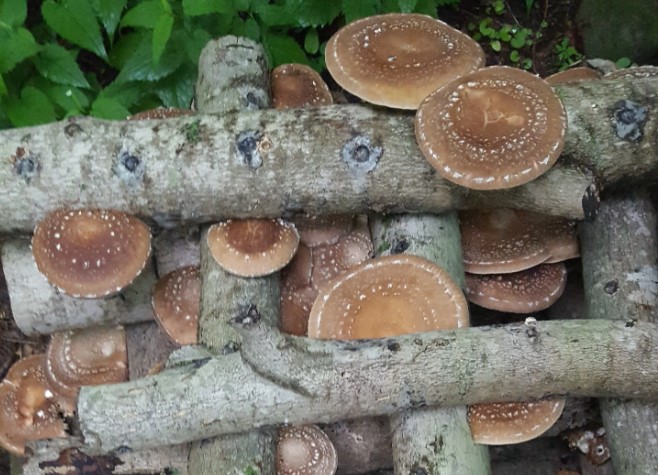
Mushroom Log Cultivation

Log cultivation is a popular method for growing shiitake mushrooms. This method involves drilling holes in a log and inserting mushroom spawn, which will eventually grow and fruit mushrooms.

Benefits

Log cultivation is a low-maintenance and cost-effective method of growing mushrooms. Once the logs are inoculated with spawn, they can be left alone to grow and produce mushrooms for several years. Log cultivation also produces a high yield of mushrooms compared to other methods.

Drawbacks

Log cultivation can take longer to produce mushrooms than other methods, often taking 6-12 months before mushrooms are ready to be harvested. The logs also need to be kept in a moist and shady area, which can be difficult in dry or sunny climates.

Straw Cultivation
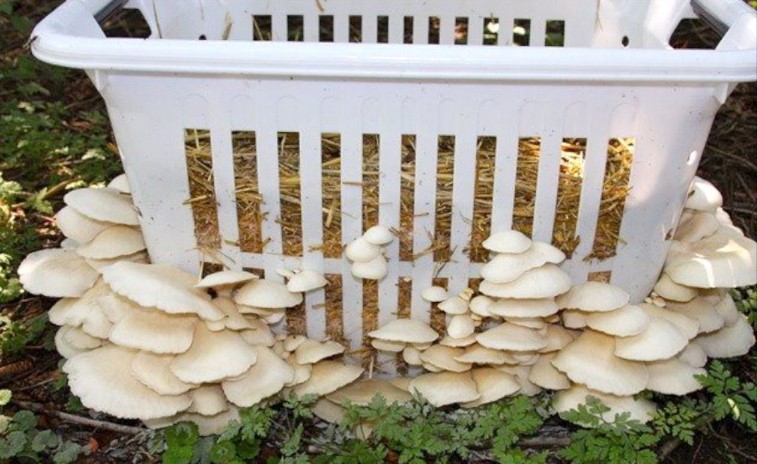
Mushroom Straw Cultivation

Straw cultivation is a popular method for growing oyster mushrooms. This method involves pasteurizing straw, mixing it with mushroom spawn, and allowing it to colonize and fruit.

Benefits

Straw cultivation is a relatively inexpensive and easy method of growing mushrooms. It also produces a high yield of mushrooms compared to other methods and can be done in small spaces such as a garage or basement.

Drawbacks

Straw cultivation requires a lot of water and is vulnerable to contamination from mold and other fungi. It also requires a lot of space to spread out the straw, which may not be practical for some growers.

Conclusion

There are a number of different methods for growing mushrooms, each with its own set of benefits and drawbacks. The method you choose will depend on your specific needs, resources, and growing conditions. Indoor cultivation offers greater control over


the growing environment but can be more expensive and time-consuming, while outdoor cultivation is cost-effective but less predictable. Log cultivation is low-maintenance but takes longer to produce mushrooms, while straw cultivation is relatively easy but requires a lot of water and space.

Ultimately, it’s important to do your research and choose a method that works best for you. Whether you’re growing mushrooms for personal use or as a business venture, understanding the benefits and drawbacks of each cultivation method will help you achieve the best results. Happy growing!

Posted on

5 Medicinal Mushrooms You Should Be Incorporating Into Your Diet (5min)

Introduction

Mushrooms have been used in traditional medicine for centuries due to their numerous health benefits. Not only are they delicious and versatile in cooking, but certain varieties of mushrooms are also rich in nutrients and bioactive compounds that can boost your immune system, reduce inflammation, and even help fight cancer. In this blog post, we’ll be highlighting 5 medicinal mushrooms that you should be incorporating into your diet for optimal health.

Reishi Mushroom

Medicinal Mushroom: Reishi

Reishi mushroom, also known as Lingzhi mushroom, is a popular medicinal mushroom in traditional Chinese medicine. It is often referred to as the “mushroom of immortality” due to its reported anti-aging properties. Reishi mushrooms are rich in antioxidants, polysaccharides, and triterpenes, which have been shown to boost the immune system, reduce inflammation, and improve sleep quality.

Reishi mushrooms can be consumed in a variety of forms, including as a tea, powder, or supplement. In traditional Chinese medicine, reishi mushrooms are often used in combination with other herbs to treat a variety of ailments, including anxiety, fatigue, and respiratory infections.

Chaga Mushroom

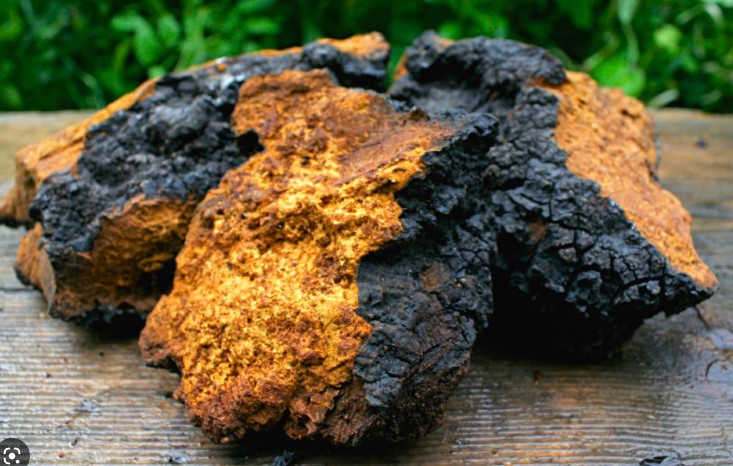
Medicinal Mushroom: Chaga

Chaga mushroom, also known as Inonotus obliquus, is a mushroom that grows on birch trees in cold climates. Chaga mushrooms are rich in antioxidants, beta-glucans, and polysaccharides, which have been shown to boost the immune system, reduce inflammation, and improve heart health.

Chaga mushrooms can be consumed as a tea, tincture, or supplement. In traditional Russian and Scandinavian medicine, chaga mushrooms were used to treat a variety of ailments, including digestive issues, skin problems, and even cancer.

Turkey Tail Mushroom

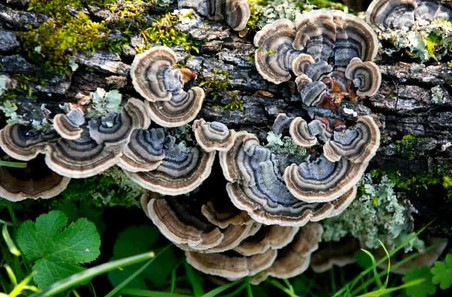
Medicinal Mushroom: Turkey Tail

Turkey tail mushroom, also known as Coriolus versicolor, is a mushroom that grows on dead trees and logs. Turkey tail mushrooms are rich in polysaccharides, including beta-glucans, which have been shown to boost the immune system and fight cancer.

Turkey tail mushrooms can be consumed as a tea, tincture, or supplement. In traditional Chinese medicine, turkey tail mushrooms were often used in combination with other herbs to treat a variety of ailments, including infections, liver disease, and digestive issues.

Lion’s Mane Mushroom

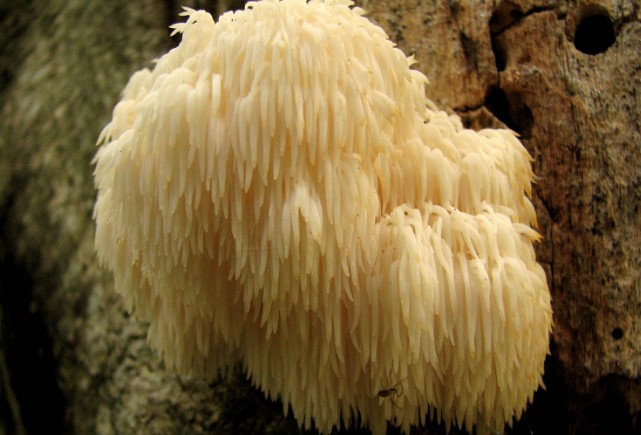
Medicinal Mushroom: Lions Mane

Lion’s mane mushroom, also known as Hericium erinaceus, is a mushroom that grows on hardwood trees. Lion’s mane mushrooms are rich in polysaccharides, including beta-glucans, which have been shown to boost the immune system, reduce inflammation, and improve cognitive function.

Lion’s mane mushrooms can be consumed as a tea, tincture, or supplement. In traditional Chinese medicine, lion’s mane mushrooms were often used to treat a variety of ailments, including digestive issues, fatigue, and memory loss.

Shiitake Mushroom

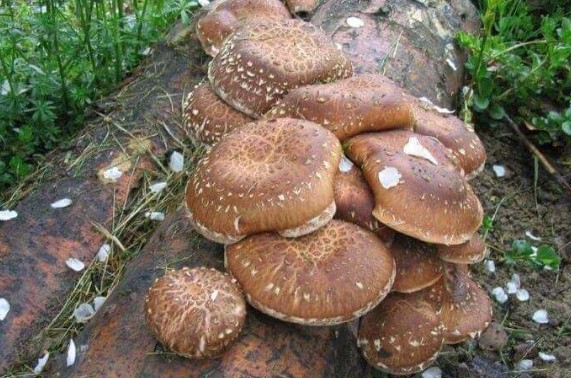
Medicinal Mushroom: Shiitake

Shiitake mushroom, also known as Lentinula edodes, is a mushroom that is native to East Asia. Shiitake mushrooms are rich in nutrients, including B vitamins, copper, and selenium, which have been shown to boost the immune system, reduce inflammation, and improve heart health.

Shiitake mushrooms can be consumed in a variety of forms, including fresh or dried in soups, stir-fries, and other dishes. In traditional Chinese medicine, shiitake mushrooms were often used to treat a variety of ailments, including colds, flu, and liver disease.

Conclusion

Incorporating these 5 medicinal mushrooms into your diet is a great way to improve your overall health and well-being. Whether you consume them in the form of a tea, supplement, or include them in your meals, these mushrooms offer a wealth of benefits that can help support your immune system, reduce inflammation, and potentially even fight cancer. While more research is needed to fully understand the therapeutic potential of these mushrooms, their long history of use in traditional medicine and their growing popularity in Western medicine suggest that they may be a valuable addition to your health routine. So why not try incorporating one or more of these medicinal mushrooms into your diet today?

Posted on

Masters Mix – Quick Start Guide

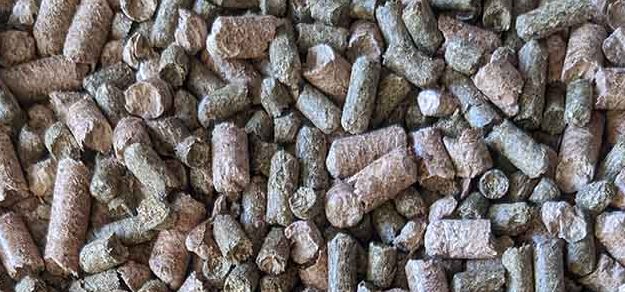
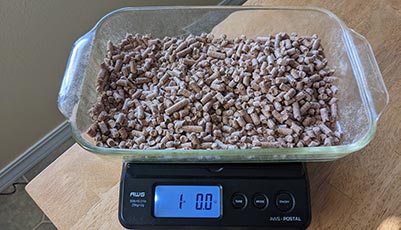
Masters Mix - Hardwood and Soy Hull pellets.

Masters Mix - Quick Start Guide

What is the Masters Mix?

Masters Mix is a mushroom growing substrate consisting of 20% hardwood sawdust or pellets, 20% soy hulls and 60% water.  People love it because of the amazing flushes it produces.  It’s not uncommon for a 10lb fruiting block to produce 2 or even 3 pound flushes.  

Making your own is very easy.  You can buy hardwood pellets HERE and soy hull pellets HERE on Amazon.  Once you have these two ingredients, the rest is easy.

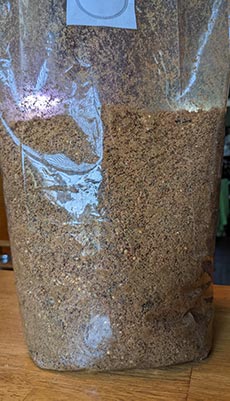
5 pound bag of masters mix

5lb Masters Mix Recipe

Combine 1lb of Soy hull pellets and 1lb of hardwood fuel pellets. Add 3lbs of water. Let the bag sit for 20-30 minutes. Mix the contents. That's it. Pressure cook for 2 hours at 15PSI for complete sterilization.

3lbs of water

5 pound bag of masters mix

5lb bag

10lb Masters Mix Recipe

Hardwood Fuel Pellets
2 lbs

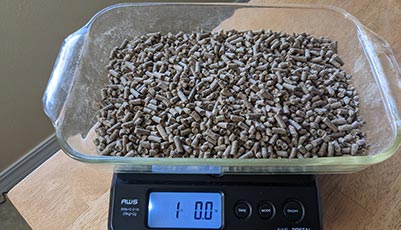
Soy Hull Pellets
2 lbs


Water
6 lbs

F.A.Q

What is the Masters Mix?

20% hardwood sawdust or pellets, 20% soy hulls and 60% water.

Who created it?

T.R Davis of Earth Angel Mushrooms coined the term more as a joke, in a discussion with fellow mushroom growers.

Why is it so popular?

Because it produces amazing flushes of wood loving mushrooms.  Especially oyster mushrooms.

What mushrooms can I grow on it?

Wood loving mushrooms grow best on Masters Mix.  Oyster, Chestnut, Lion’s Mane, etc.

Which is better, sawdust or pellets?

People that are new to mushroom growing find using pellets easier because the water content is close to zero. 

You can certainly use sawdust, but you will need to do some testing to get the hydration levels correct.

What makes it grow mushrooms so well?

T.R believes it’s because of the added cellulose and protein provided by the soy hulls.

References

Where our information comes from.

In THIS you tube video, TR describes how MM came to be.