
Introduction
Mushroom cultivation is an increasingly popular hobby and business venture. Not only are mushrooms delicious and nutritious, but they also offer a range of health benefits. However, the cultivation of mushrooms can be a complex process, and there are a number of different methods that growers can use. In this blog post, we’ll be exploring the benefits and drawbacks of different mushroom cultivation methods to help you decide which method is best for your needs.
Indoor Cultivation
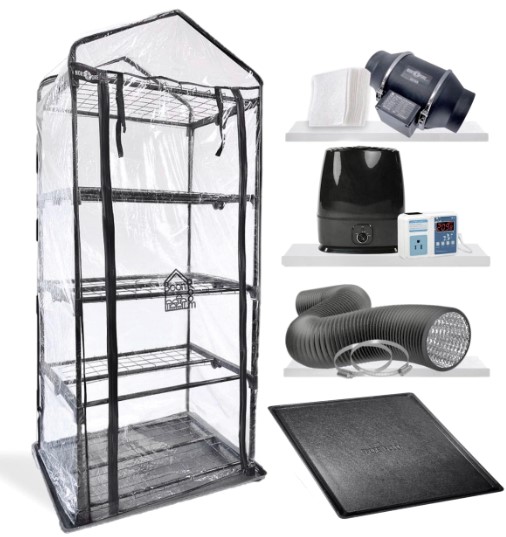
Indoor cultivation is a popular method for growing mushrooms, especially for those who live in urban areas or have limited space. Indoor cultivation involves growing mushrooms in a controlled environment, such as a greenhouse, basement, or closet.
Benefits
One of the main benefits of indoor cultivation is the ability to control the environment in which the mushrooms are grown. Growers can adjust factors such as temperature, humidity, and light to create optimal growing conditions for their mushrooms. Indoor cultivation also offers protection from pests and other environmental factors that can impact mushroom growth.
Drawbacks
Indoor cultivation can be a more expensive method of growing mushrooms due to the need for specialized equipment and the cost of electricity to maintain a controlled environment. It can also be time-consuming to set up and maintain the growing space.
Outdoor Cultivation
Outdoor cultivation involves growing mushrooms outside in a natural environment, such as a garden or forest. This method is often used for more traditional species of mushrooms, such as shiitake, oyster, and portobello.
Benefits
Outdoor cultivation is often a more cost-effective method of growing mushrooms as it doesn’t require the use of specialized equipment or electricity. It also allows for a larger yield of mushrooms than indoor cultivation, as growers can take advantage of natural sunlight and a greater amount of space.
Drawbacks
Outdoor cultivation is less predictable than indoor cultivation as growers have less control over environmental factors such as temperature, humidity, and pests. It also requires a greater amount of time and effort to maintain and protect the growing area from predators and other environmental factors.
Log Cultivation
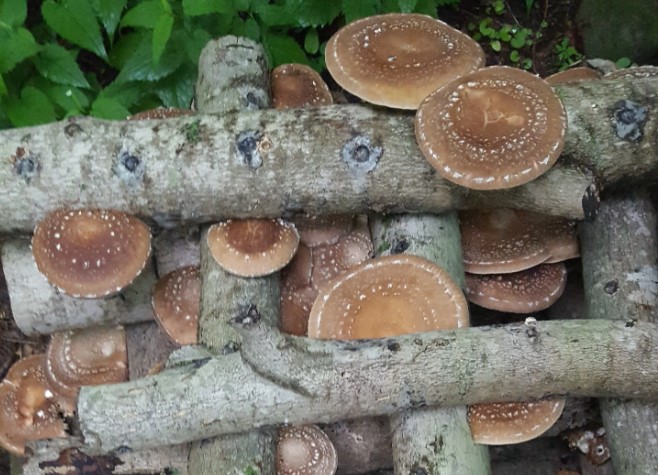
Log cultivation is a popular method for growing shiitake mushrooms. This method involves drilling holes in a log and inserting mushroom spawn, which will eventually grow and fruit mushrooms.
Benefits
Log cultivation is a low-maintenance and cost-effective method of growing mushrooms. Once the logs are inoculated with spawn, they can be left alone to grow and produce mushrooms for several years. Log cultivation also produces a high yield of mushrooms compared to other methods.
Drawbacks
Log cultivation can take longer to produce mushrooms than other methods, often taking 6-12 months before mushrooms are ready to be harvested. The logs also need to be kept in a moist and shady area, which can be difficult in dry or sunny climates.
Straw Cultivation
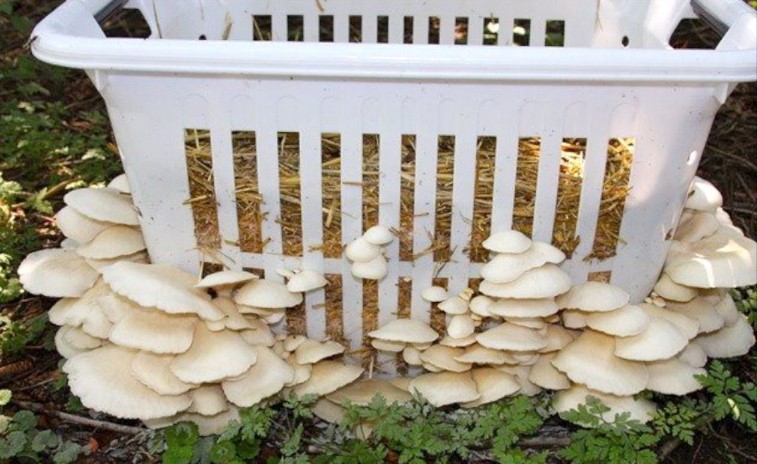
Straw cultivation is a popular method for growing oyster mushrooms. This method involves pasteurizing straw, mixing it with mushroom spawn, and allowing it to colonize and fruit.
Benefits
Straw cultivation is a relatively inexpensive and easy method of growing mushrooms. It also produces a high yield of mushrooms compared to other methods and can be done in small spaces such as a garage or basement.
Drawbacks
Straw cultivation requires a lot of water and is vulnerable to contamination from mold and other fungi. It also requires a lot of space to spread out the straw, which may not be practical for some growers.
Conclusion
There are a number of different methods for growing mushrooms, each with its own set of benefits and drawbacks. The method you choose will depend on your specific needs, resources, and growing conditions. Indoor cultivation offers greater control over
the growing environment but can be more expensive and time-consuming, while outdoor cultivation is cost-effective but less predictable. Log cultivation is low-maintenance but takes longer to produce mushrooms, while straw cultivation is relatively easy but requires a lot of water and space.
Ultimately, it’s important to do your research and choose a method that works best for you. Whether you’re growing mushrooms for personal use or as a business venture, understanding the benefits and drawbacks of each cultivation method will help you achieve the best results. Happy growing!